Foliage Time: The Vine and the Colours of Autumn
November is the month when the vineyard changes its appearance.
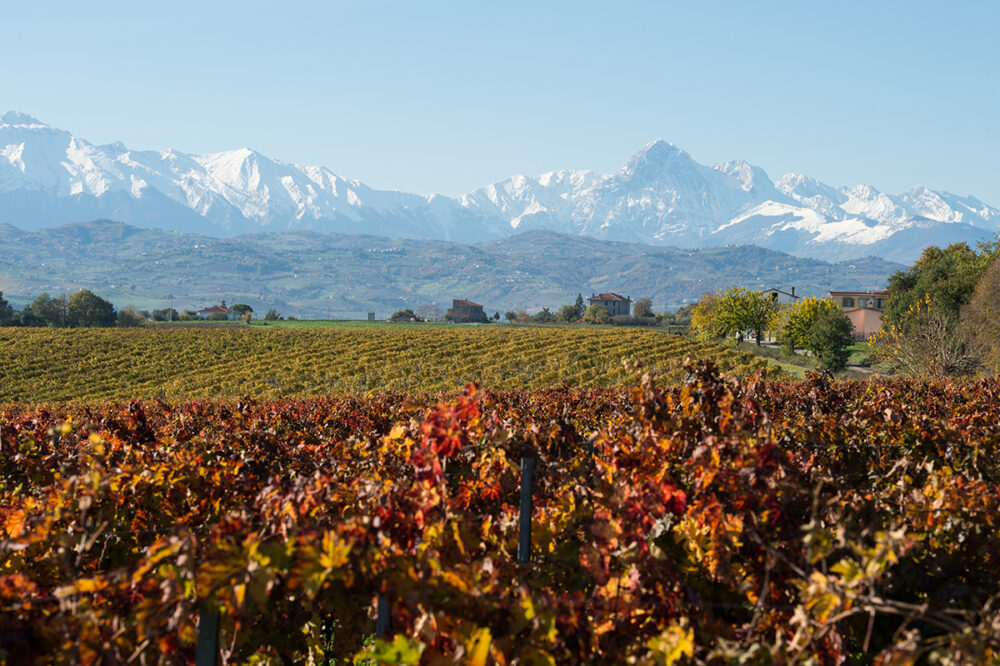
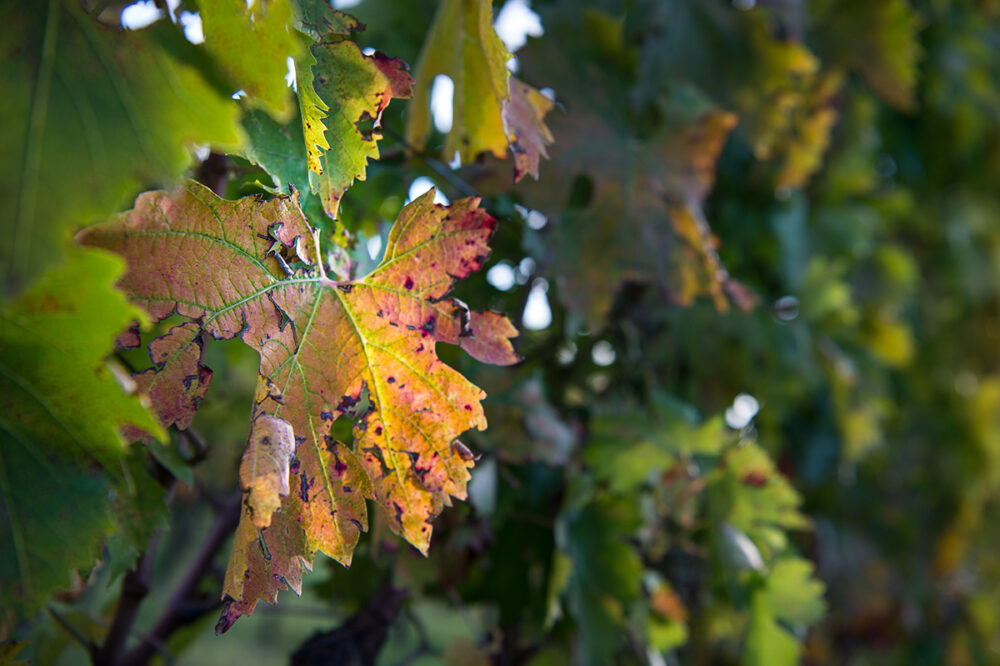
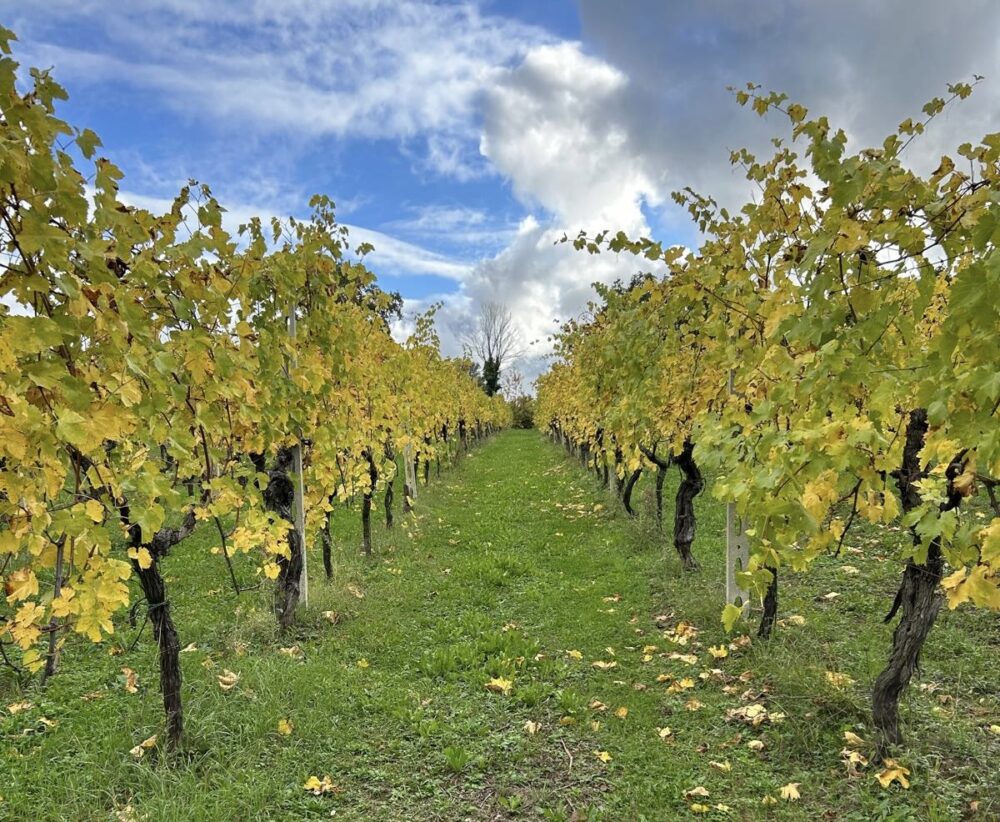
After the harvest, when the grapes have given way to the memory of the picking season, the leaves take centre stage, colouring the rows of vines in shades of yellow, orange and red. This is the time of foliage, one of the most evocative moments of the year, when the vineyard landscape transforms before entering its winter rest. The change in colour is linked to falling temperatures and shorter daylight hours, which gradually lead to the breakdown of chlorophyll, allowing other pigments present in the leaves to emerge. The shades vary depending on the grape varieties, climatic conditions and characteristics of the territory.
But the leaves are more than just an autumn spectacle. During the growing season, they have played a fundamental role in photosynthesis, contributing to the growth of the vine and the ripening of the grapes. Before falling, they transfer part of their stored nutrients to the trunk and roots, providing valuable resources to withstand the winter and support vegetative growth in the following spring. With leaf fall, the vine's vegetative cycle comes to an end. The shoots complete their lignification, becoming woody and more resistant to cold, while the buds prepare for the dormant period, already holding the potential of the new growing season.
Even after the harvest, therefore, the vineyard continues to tell its story. Colours change, rhythms slow down and the landscape prepares for winter. It is a time of stillness and anticipation, when nature conserves its energy for a new beginning. Because the cycle of the vine, like that of wine, is made up of seasons that follow one another, each playing an essential role.